Why Camping Land for Sale Is a Smart Investment for Outdoor Enthusiasts
Understanding the Appeal of Camping Land for Sale
For years, I watched friends spend thousands on RV campground fees and crowded state park reservations, only to come home complaining about noisy neighbors and strict rules. That is when I started looking into camping land for sale as an alternative. What I found surprised me: a growing market of rural property that offers more freedom, lower costs, and a chance to build something permanent for your family.
Unlike a weekend rental, owning a piece of recreational land means you can return to the same spot season after season. You can park your camper, pitch a tent, or eventually build a small camping cabin. The upfront cost is often much lower than buying a developed home site, and with options like owner financing, the barriers to entry are surprisingly small.
What Makes Good Camping Land?
Not every acreage parcel works well for regular camping. I have looked at properties that looked great on paper but lacked basic access or had tricky terrain. Here are the practical things to consider before you buy.
Access and Deeded Access
First, you need to know you can actually get to the land. A surveyed lot should have deeded access, meaning you have a legal right to drive onto the property. Some rural parcels are landlocked, which means you would need an easement or a land lease to reach them. Always verify this before making an offer.
Utilities Access
Even if you plan to camp off-grid, having nearby utilities access can make a big difference. You might want to run a water line for a spigot, or hook up a septic system for a small cabin later. Many properties have well water already drilled, which is a huge plus. If not, check the depth to groundwater in the area.
Terrain and Views
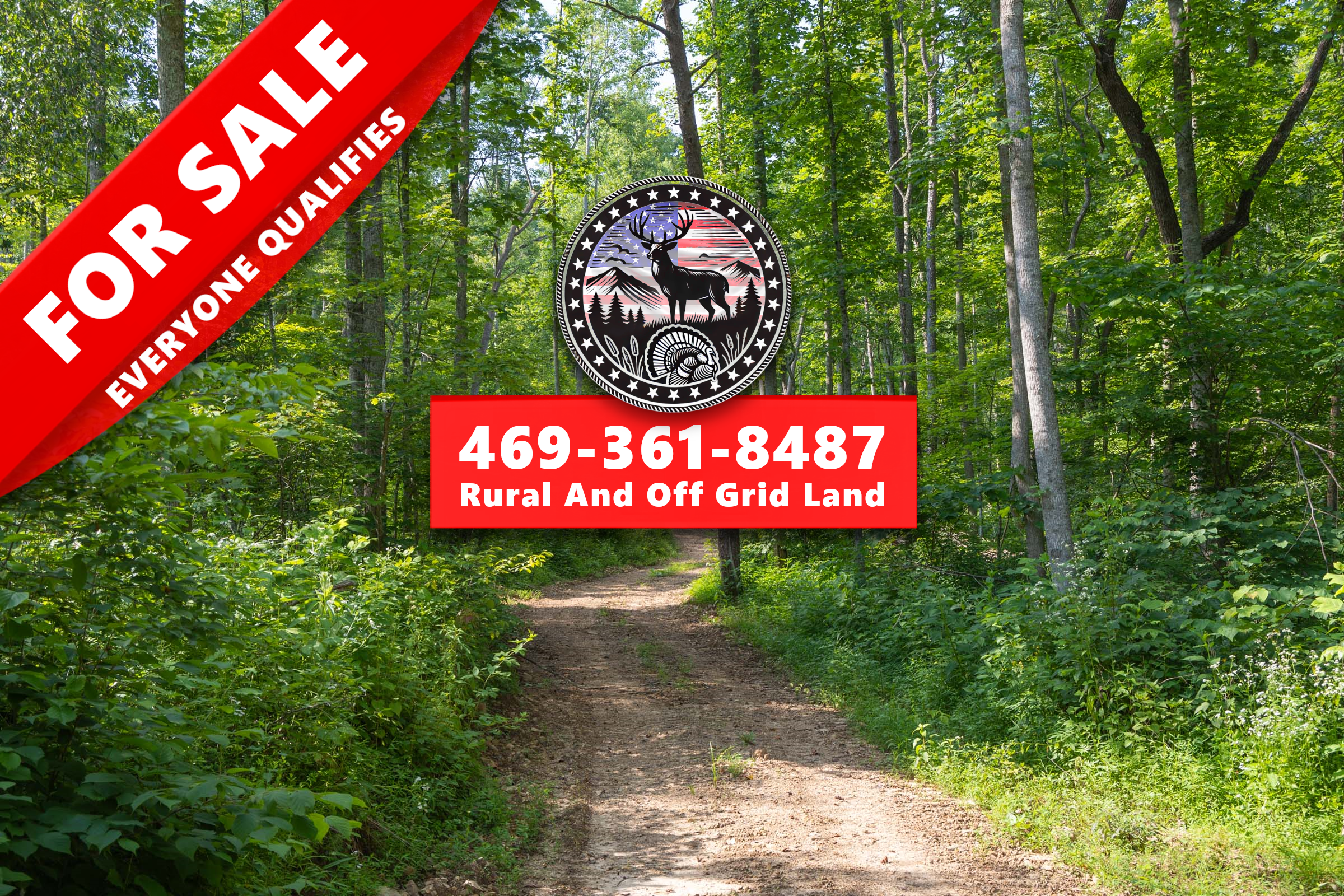
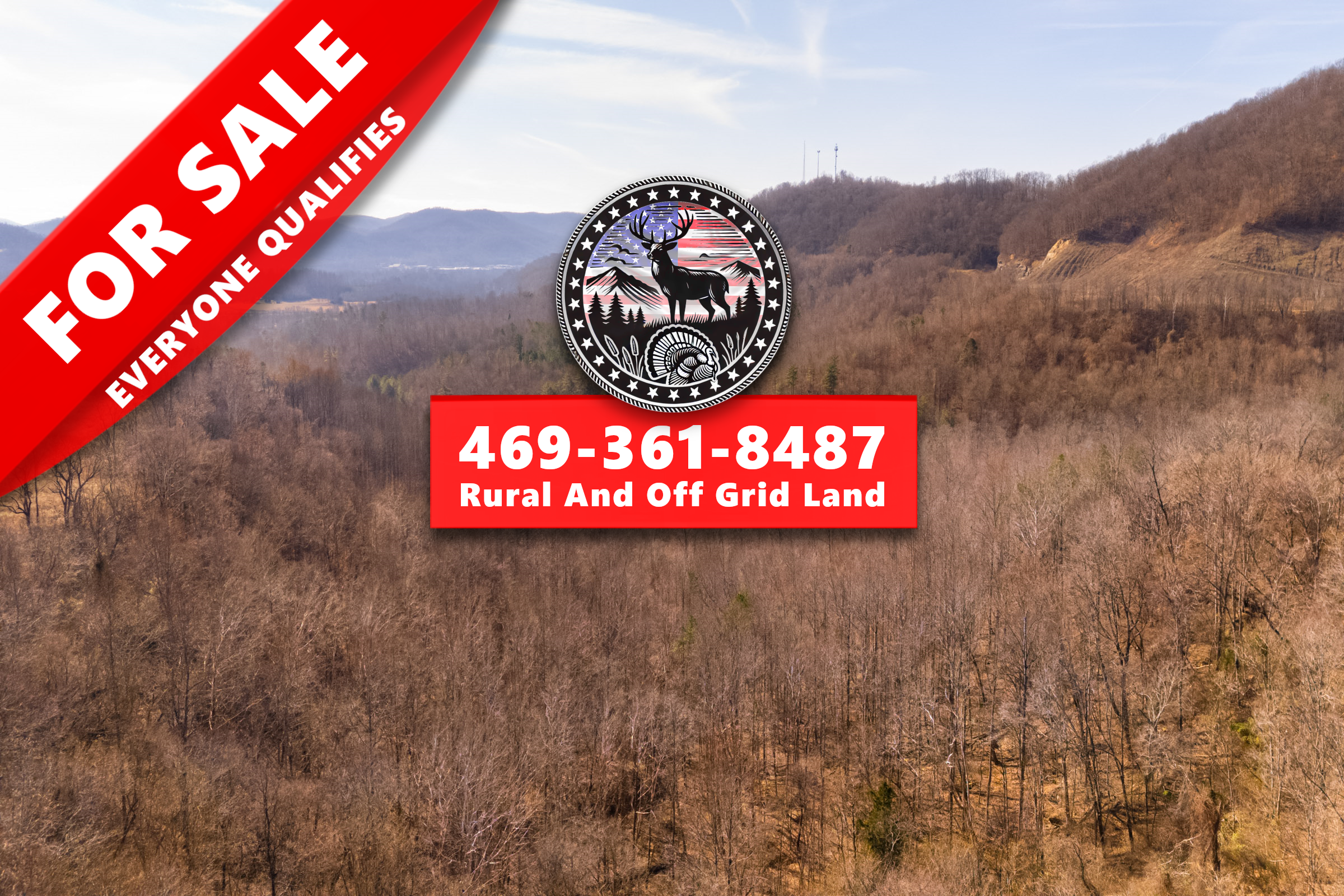
A mountain view can make a camping trip memorable, but steep slopes can make it hard to park an RV or set up a tent. Look for a mix of flat ground for your camp setup and scenic elevation for hiking. Forest service roads often run through these areas, giving you access to public lands for exploring.
Financing Without the Bank Runaround
One of the biggest hurdles I faced when buying my first piece of recreational land was getting a loan. Traditional banks often shy away from raw land because it is harder to resell. That is where owner financing comes into play. With a land contract, the seller acts as the bank. You make low down payment, sometimes as little as 10 percent, and pay the rest in monthly installments. There is typically no credit check required, which opens the door for people with less-than-perfect credit.
This kind of arrangement gives you flexibility. You can take possession of the land quickly and start using it right away. Meanwhile, you build equity. If you later decide to sell, you might even be able to offer similar terms to the next buyer.
Building a Legacy Property
For many buyers, a piece of camping land for sale is not just a weekend getaway. It is the start of a legacy property. I have met families who bought a small parcel thirty years ago, added a simple camping cabin, drilled a well, and now their grandchildren use it every summer. That kind of long-term thinking changes how you evaluate a property.
Instead of asking only about the current camping season, think about what the land could become. Could you build a permanent structure later? Is there room to add a septic system if you decide to upgrade from RV camping to a cabin? Does the property have good hunting land nearby? These factors add value over time.
Balancing Off-Grid Living and Convenience
Many people are drawn to off-grid living, but the reality requires planning. If you are buying a rural property for camping, you need to think about water, power, and waste. Solar panels are easy to install these days. A composting toilet removes the need for a septic system. But if you want to host large family gatherings or rent the space to others, you will want a more robust setup.
I recommend starting simple. Camp a few weekends on the land before spending money on improvements. You might discover that the perfect spot for your tent is different from where you thought you would put a cabin. Let the land tell you what works.
Hunting and Recreation Combo
For hunters, owning land changes everything. You can scout year-round, set up stands, and manage the habitat. Many buyers look for hunting land that also works for family camping. That dual use makes the investment more practical. You can hunt in the fall and camp with the kids in the summer.
Just be aware of local regulations. Some counties have restrictions on building near wetlands or in floodplains. A surveyed lot will come with a plat map that shows boundaries and any easements. Study that map before you sign anything.
Practical Tips for First-Time Buyers
If you are new to buying rural property, here are a few things I have learned the hard way.
- Walk the land before you buy. Photos can hide trash, overgrown brush, or boundary disputes.
- Check for any existing land lease agreements that might affect your use.
- Ask about shared driveways and road maintenance. Forest service roads are often gravel and need grading after storms.
- Confirm zoning allows camping, RV camping, or cabins. Some areas restrict residential use.
- Look at the neighbors. If the parcel is surrounded by commercial timberland, you might have logging traffic during hunting season.
Why Now Is a Good Time
Interest in recreational land has grown steadily as more people look for private outdoor space. Prices are still reasonable in many parts of the country, especially if you are willing to go a little farther from major cities. With owner financing and low down payment options, you can secure a piece of land without draining your savings.

I have seen buyers turn a raw acreage parcel into a beloved family retreat within a single year. The key is starting with clear priorities: Do you want solitude? Easy access? Room to expand? Once you know that, you can filter the listings to find the best match.
The phrase camping land for sale might sound simple, but the possibilities are wide open. Whether you plan to park an RV, build a tiny house, or just pitch a tent under the stars, owning the ground beneath you changes the experience completely.